Which Material Shower Should Choose for Your Bathroom
Latest industry news and product updates from Qian Global Co., Limited - your trusted faucet&shower supplier.
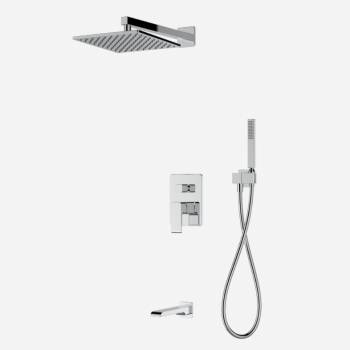
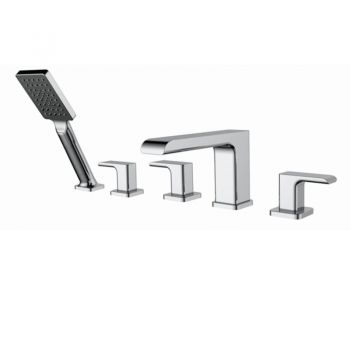
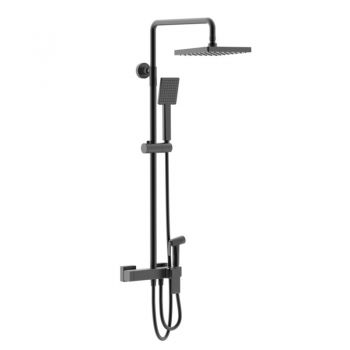
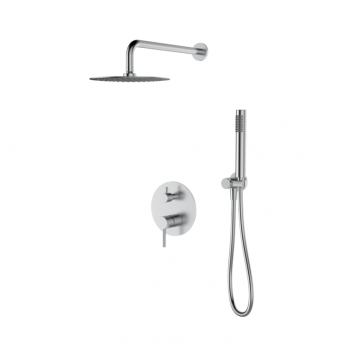
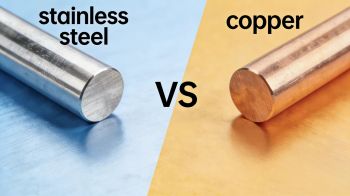
Selecting a shower system—encompassing the overhead rain shower, handheld shower, faucet, and possibly even the riser rail—is a significant decision. The material at the heart of these components profoundly impacts your shower's longevity, safety, and feel. The debate often narrows down to two premium contenders: copper and 304 stainless steel. While both are excellent, understanding their key differences is crucial for an informed choice.
The Classic Performer: Copper
Copper has been the gold standard in high-quality plumbing for centuries. Its most significant advantage is its innate anti-microbial property. Copper ions actively eliminate bacteria, viruses, and algae, preventing biofilm buildup inside the valves and shower heads. This results in a purer, healthier shower environment, a crucial benefit for households with children, the elderly, or anyone with skin sensitivities.
Furthermore, copper is exceptionally durable and corrosion-resistant. A complete copper shower system is a long-term investment in wellness and reliability. However, it is generally heavier and more expensive. Its classic appearance in polished chrome or brushed nickel is typically plated onto the copper base for protection and aesthetics.
The Modern Challenger: 304 Stainless Steel
304 stainless steel is renowned for its superb rust and corrosion resistance, making it ideal for the humid bathroom environment. It is an extremely tough and durable material, capable of withstanding physical impact. For a full shower system, this means robust components that will last for years.
The primary advantage of stainless steel is its cost-effectiveness. You get exceptional durability and a consistent, sleek, modern look across all components at a more accessible price point than solid copper. It is also lighter. The main trade-off is that it lacks copper's natural bacteria-fighting ability. While its non-porous surface is easy to clean, the interior of the valves and pipes can eventually develop scale buildup.
Making Your Choice
Your final decision should align with your priorities:
Choose a Copper System if: Your top concerns are hygiene, water purity, and long-term health benefits. It is the superior choice for a premium, health-conscious investment. Choose a 304 Stainless Steel System if: You seek a perfect balance of excellent durability, a cohesive modern aesthetic, and outstanding value. It offers fantastic performance and corrosion resistance for a very competitive price.
In conclusion, both materials will serve you well. Copper is the health-conscious powerhouse, while 304 stainless steel is the robust and cost-effective modern alternative. Weigh your budget against your desire for the added hygienic benefits to find your perfect fit.